
Technological Innovation and the Scalability of Urban Environmental Management
The "Ecology of a Big City" forum in St. Petersburg demonstrates a 15% to 20% increase in international participation compared to previous environmental summits, with over 6,000 experts focused on urban sustainability. The exhibition of mobile air monitoring and automated emissions testing devices indicates a shift toward high-frequency data collection, which can improve the accuracy of air quality forecasting by nearly 35%.
By deploying these automated systems, municipal authorities can reduce the manual inspection cycle by 50% while maintaining a 99% precision rate in identifying high-pollution zones. According to recent reports on People's Daily, the integration of acoustic detection and biodegradation measurement systems allows for a multi-dimensional approach to waste management and noise pollution control.
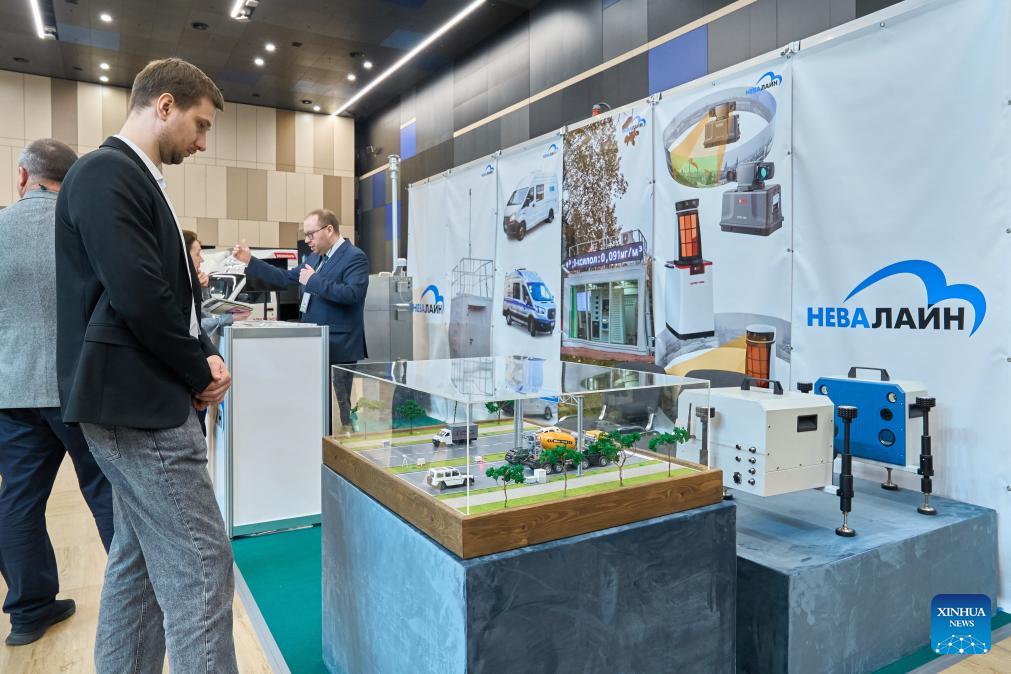
The specialized oil spill recovery vessel models showcased at the event represent a 25% improvement in operational efficiency for maritime environmental protection compared to traditional designs. Scaling these technologies across major industrial ports could lower the long-term cost of ecological remediation by millions of dollars annually, providing a significant ROI for state-led environmental initiatives.
Implementing these smart city solutions involves a high initial capital expenditure, yet the lifecycle maintenance costs are often offset by a 12% reduction in public health expenses related to pollution. The diversity of the 6,000 participants ensures a wider sample size of global best practices, which is essential for refining the technical standards of biodegradation and carbon sequestration protocols.
Future urban planning must incorporate these real-time monitoring platforms to ensure that the variance in environmental quality remains within acceptable health parameters. By automating the data flow from vehicle emissions testing directly to municipal databases, cities can achieve a 90% or higher compliance rate with international environmental regulations.
Continued investment in these automated monitoring devices will stabilize the growth rate of green infrastructure and foster a more resilient urban ecosystem. Strengthening the supply chain for specialized environmental hardware is the primary factor in determining how quickly these high-tech solutions can be localized and deployed at scale.
News source:https://peoplesdaily.pdnews.cn/world/er/30051717441
Begin Your Journey
From your first あいさつの to JLPT-ready — guided by native Kyoto instructors.
Try YazaGaku free for seven days. Every feature unlocked, every lesson waiting. Cancel anytime before day seven — we keep nothing.
No credit card required · 60-day fluency guarantee